Posted on

From Laboratory to Field: The Evolution of SF₆ Gas Testing Equipment

The Evolution of Gas Testing Equipment

Why SF₆ Testing Matters More Than Ever

A guide exploring SF6 Testing Equipment Evolution.

Sulphur hexafluoride (SF₆) has long been used in high-voltage switchgear due to its superior dielectric strength and arc-quenching properties. However, with growing environmental concerns surrounding its high Global Warming Potential (GWP) and increasing regulatory pressure, the need for accurate, reliable, and portable testing equipment has never been more critical.

As SF₆ remains integral to many existing electrical systems, testing and monitoring its quality, concentration, and emissions are vital for safety, compliance, and sustainability. This article explores the evolution of SF₆ testing equipment, from early manual bench analysers to today’s advanced field-ready digital solutions.

We’ll also highlight Cambridge Sensotec’s pioneering role in advancing gas analysis instrumentation and setting new industry standards.

1. The Early Days of SF₆ Testing: Manual Processes and Laboratory Constraints

In the early years of SF₆ gas use, testing equipment was largely confined to laboratory environments. These systems were bulky, manually operated, and required technical expertise to interpret data. Early analysers typically relied on single-gas sensors and analog output systems, which made precise measurements time-consuming and often prone to human error.

Key Limitations:

  • Lack of portability
  • Limited sensor technology
  • Manual calibration and data interpretation
  • High risk of sample contamination or data drift

Despite these constraints, these early systems laid the groundwork for understanding SF₆ behaviour under various electrical loads and environmental conditions.

2. The Digital Revolution: Integration of Microprocessors and Automated Calibration

The 1990s and early 2000s marked a significant turning point in gas analysis technology. The integration of microprocessors enabled real-time data processing, digital interfaces, and automated calibration routines – reducing the margin for error and increasing consistency.

Major Breakthroughs:

  • Digital displays and user interfaces
  • Improved sensor accuracy and stability
  • USB and RS232 data output for documentation
  • Automated zero/span calibration for improved field reliability

These innovations moved testing equipment beyond the laboratory and into the substation – bridging the gap between on-site engineers and laboratory-grade data.

3. Field-Ready Innovation: Portable SF₆ Analysers for On-Site Testing

Modern SF₆ testing equipment is now designed to be rugged, portable, and highly accurate – empowering engineers to conduct tests directly in the field with minimal setup time. These systems are equipped with multi-gas sensors, touch-screen interfaces, and cloud integration, making it easier than ever to comply with regulations and prevent gas leakage.

Example: Cambridge Sensotec’s Rapidox Range

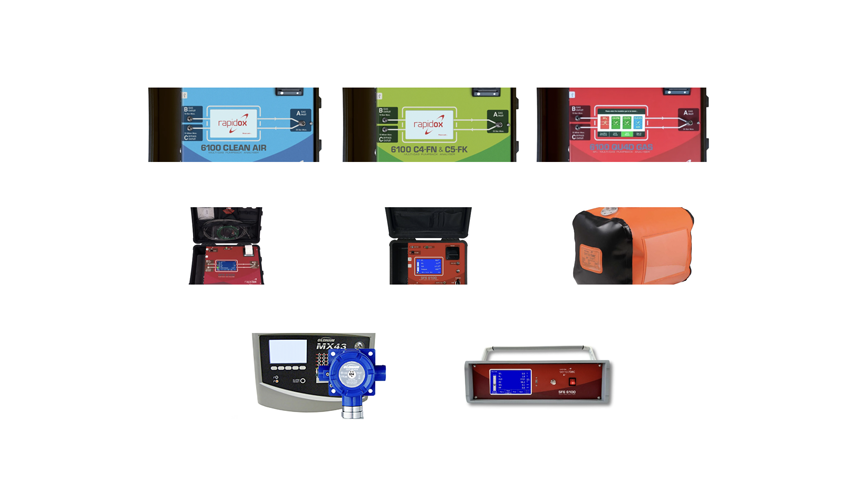
Cambridge Sensotec has played a leading role in this field-based evolution. Their Rapidox SF₆ analysers, such as the Rapidox 6100 Portable Gas Analyser, offer:

  • Simultaneous measurement of SF₆, SO₂, H₂O, and HF
  • Data logging with USB download and remote access
  • Fully programmable alarms and sampling modes
  • Touchscreen operation for intuitive use in harsh conditions
  • Modular design for custom sensor integration

These features enable utilities, maintenance crews, and testing specialists to get accurate, actionable data on the spot – drastically improving efficiency and response time.

4. Integration with Smart Grids and Predictive Maintenance

As electrical infrastructure becomes more digitised, SF₆ testing equipment is now integrating with smart grid ecosystems. This includes:

  • IoT and remote monitoring capabilities
  • Integration with SCADA and asset management platforms
  • Predictive diagnostics for equipment health and gas lifecycle tracking

This level of integration enables proactive maintenance strategies and helps organisations reduce unplanned outages and costly repairs.

5. Responding to Regulatory Demands and ESG Goals

With stringent F-Gas regulations in the EU and similar policies emerging globally, SF₆ testing is no longer optional – it’s a regulatory imperative. Modern SF₆ analysers are now designed to simplify compliance:

  • Automated leak detection and report generation
  • Environmental traceability through logged emission history
  • Calibration certificates and audit trails

Organisations with strong Environmental, Social, and Governance (ESG) mandates can also use testing data to demonstrate responsible gas handling and align with net-zero objectives.

6. From One Gas to Many: The Rise of Multi-Gas SF₆ Testing Equipment

The Shift from Single-Gas to Multi-Gas Analysis

Historically, SF₆ testing equipment was designed primarily to assess SF₆ gas purity, ensuring that insulation levels met operational requirements. However, modern switchgear systems are more complex, and understanding the full health of both the insulating gas and the electrical components demands a more comprehensive approach.

Today’s advanced SF₆ testing equipment – such as the Rapidox range by Cambridge Sensotec – has evolved to provide multi-gas analysis, enabling simultaneous detection of several key gases. This transformation allows maintenance teams and engineers to gain deeper insights into equipment condition, predict faults, and prevent failures.

Why Multi-Gas Detection Matters

By measuring multiple gases at once, testing equipment moves beyond purity checks and into predictive diagnostics. Each gas offers unique insights into what may be happening inside your gas-insulated switchgear (GIS).

Moisture (H₂O)

Moisture is one of the most critical parameters to monitor in SF₆-insulated systems. Even trace amounts of water can lead to:

  • Insulation breakdown due to reduced dielectric strength
  • Accelerated chemical reactions between SF₆ and internal components
  • Corrosion of metal parts, leading to premature equipment failure

Measuring H₂O content helps engineers assess gas contamination and insulation degradation, ensuring the system’s integrity and extending its operational lifespan.

Sulphur Dioxide (SO₂) and Hydrogen Fluoride (HF)

These are toxic byproducts formed when SF₆ gas breaks down, often due to:

  • Electrical arcing during circuit breaker operation
  • Thermal stress in high-voltage systems
  • Prolonged exposure to moisture or contaminants

SO₂ and HF not only indicate SF₆ decomposition but also signal that the internal components may be under duress. Their presence serves as a red flag for maintenance teams to inspect the system more thoroughly.

Detecting these byproducts allows for early fault diagnosis, avoiding unplanned outages and costly repairs.

Decomposition Products

In addition to SO₂ and HF, other breakdown compounds such as SOF₂, SO₂F₂, and S₂F₁₀ may be present, depending on operating conditions. These decomposition gases are important for:

  • Assessing the severity of internal faults
  • Estimating the age and stress level of the insulating medium
  • Determining the need for gas recycling or replacement

Tracking a wide range of decomposition products ensures a comprehensive picture of system health – far beyond what SF₆ purity alone can reveal.

Integrated Multi-Gas Testing: A Single Solution for Complex Needs

Modern SF₆ analysers, like the Rapidox 6100 Portable or Bench Units, are engineered to detect SF₆, H₂O, SO₂, HF, and other trace gases simultaneously, without requiring multiple instruments. This integrated approach delivers:

  • Faster diagnostics with fewer connection points and lower risk of contamination
  • Reduced operational costs by eliminating the need for separate devices
  • Compliant reporting for environmental regulations and safety standards

These analysers are also equipped with automated calibration, programmable alarm thresholds, and USB/cloud-based data logging, making them indispensable tools in both fieldwork and lab environments.

The Future: Expanding Capabilities Beyond SF₆

As industries move toward SF₆-free alternatives like DryAir, Fluoronitrile, and Vacuum Insulation, multi-gas analysers are being adapted to monitor new gas compositions. Equipment that once focused solely on SF₆ now plays a crucial role in validating and supporting alternative technologies.

With Cambridge Sensotec at the forefront, the rise of multi-gas SF₆ testing equipment continues to push the boundaries of what’s possible in electrical asset health management.

7. Cambridge Sensotec’s Role in the Evolution of SF₆ Testing Equipment

Pioneering Innovation in Gas Analysis Since 2000

For over two decades, Cambridge Sensotec has led the charge in developing precision gas analysis instrumentation, with a core focus on improving SF₆ testing equipment. The company has been instrumental in pushing the boundaries of what’s technically possible, blending laboratory-grade accuracy with field-ready portability and automation.

From the early days of single-gas analysis to today’s multi-gas, digitally integrated platforms, Cambridge Sensotec has played a pivotal role in shaping the global standard for SF₆ gas analysis.

Notable Technological Innovations

Rapidox 6100 Series (Bench & Portable)

The Rapidox 6100 range was developed to offer high-performance SF₆ analysis in both laboratory and field settings. These analysers deliver:

  • Simultaneous measurement of SF₆, H₂O, SO₂, HF, and other gases
  • Full laboratory-grade diagnostics in a compact, portable format
  • High-speed warm-up, touchscreen interface, and USB data logging for maximum usability and efficiency

This range exemplifies the convergence of mobility, precision, and real-time diagnostics, allowing engineers to test and maintain equipment faster and with greater confidence.

Auto-Cal Systems

To reduce manual intervention and service disruption, Cambridge Sensotec introduced Auto-Calibration functionality. This innovation allows for:

  • Scheduled automated calibration cycles
  • Reduced downtime during field operations
  • Higher accuracy and consistency across long-term use

By eliminating the need for frequent manual recalibration, Auto-Cal ensures minimal human error and maintains compliance with strict reporting standards.

Customisable Sensor Modules

Different industries face different gas composition challenges. To meet these diverse requirements, Cambridge Sensotec offers bespoke sensor configurations:

  • Sensors tailored for detecting exotic gases, decomposition byproducts, or specific moisture thresholds
  • Plug-and-play architecture allowing for rapid reconfiguration
  • Custom builds for niche applications like medical-grade SF₆ or additive manufacturing

This flexibility is critical for customers operating in complex environments where a one-size-fits-all approach simply doesn’t work.

Digital Integration for Seamless Reporting

Modern switchgear maintenance teams rely on data – not just readings. That’s why Cambridge Sensotec has invested heavily in:

  • RS232, RS485, Modbus RTU, and Ethernet connectivity
  • USB data export with Excel-compatible formats
  • Custom dashboard software for trend analysis and compliance reporting

These digital capabilities empower teams to track gas quality over time, predict maintenance windows, and ensure regulatory documentation is easily generated and stored.

A Continuous Investment in Research & Development

Cambridge Sensotec doesn’t stand still. As SF₆ regulations tighten and the energy transition accelerates, the company is committed to staying ahead of the curve. Ongoing areas of R&D include:

  • Sensor miniaturisation: making portable analysers lighter and more field-friendly
  • Hybrid gas compatibility: expanding support for SF₆ alternatives like DryAir and fluoronitriles
  • Predictive analytics and AI-based fault prediction, integrating historical gas trends into maintenance planning

The result is a pipeline of next-generation testing tools designed to meet the evolving needs of utilities, OEMs, and industrial operators worldwide.

Trusted by Engineers and Industry Leaders

From global utility providers to specialist switchgear manufacturers, Cambridge Sensotec’s Rapidox range is trusted for its:

  • Accuracy and repeatability
  • Ease of use in demanding environments
  • Robust design and long-term reliability

Its role in advancing SF₆ gas testing equipment has helped not only improve operational safety but also support the industry’s transition to more sustainable gas handling practices.

Quick Summary: A Legacy of Innovation, A Future of Possibility

Cambridge Sensotec’s contributions to SF₆ gas analysis have been nothing short of transformative. With a clear focus on innovation, user experience, and compliance, the company has helped thousands of operators improve the safety, accuracy, and efficiency of SF₆ gas monitoring.

As the global switchgear industry moves towards SF₆-free alternatives, Sensotec’s role in delivering high-performance, adaptive, and future-ready testing equipment will only become more vital.

8. What’s Next? The Future of SF₆ Gas Testing

Looking forward, the evolution of SF₆ testing equipment is expected to follow several key trends:

  • AI-Powered Analytics: Machine learning to identify patterns in gas degradation
  • Cloud-Based Monitoring: Real-time data sharing across sites and teams
  • Battery-Powered & Wearable Devices: For use in tight or hazardous environments
  • Cross-compatible gas testing systems: Supporting SF₆ alternatives like DryAir, Fluoronitrile, or Vacuum

As the industry moves toward SF₆-free switchgear, the demand for versatile, adaptive testing equipment will continue to grow.

Conclusion: From Lab Bench to Substation – A Story of Innovation

The evolution of SF₆ testing equipment – from bulky lab systems to field-ready digital platforms – reflects the broader transformation in how we manage and maintain electrical infrastructure. With new challenges around regulation, sustainability, and system performance, Cambridge Sensotec remains a trusted innovator in the field.

Their commitment to accuracy, usability, and compliance ensures that organisations across the globe can test, monitor, and manage SF₆ systems with confidence – whether in a lab, on a wind farm, or in a high-voltage substation.

Interested in upgrading your SF₆ testing capabilities?

Visit www.sf6.co.uk or contact the Cambridge Sensotec SF6 team to explore the latest in gas analysis instrumentation.
Posted on

Comparing Gas Insulation Technologies: DryAir vs. Vacuum vs. CO₂

Comparing Gas Insulation Technologies: DryAir vs. Vacuum vs. CO₂

Introduction

As the demand for sustainable and high-performing electrical infrastructure continues to rise, the conversation around gas insulation technologies is more important than ever. With traditional SF₆ (sulphur hexafluoride) now facing regulatory scrutiny due to its environmental impact, industries are actively seeking viable, eco-conscious alternatives.

Among the most promising solutions are DryAir, Vacuum Interruption (VI), and CO₂-based insulation systems. Each offers unique benefits and limitations depending on the application, voltage level, geographic location, and sustainability goals of the organisation deploying them.

In this comprehensive article, we’ll walk you through a detailed gas insulation technology comparison – providing insight into how DryAir, Vacuum, and CO₂ compare across:

  • Electrical performance
  • Environmental impact
  • Safety
  • Maintenance
  • Cost
  • Scalability and future viability

Whether you’re an energy provider, switchgear manufacturer, or sustainability officer, this guide will help you make an informed decision based on real-world considerations and industry best practice.

What is Gas Insulated Switchgear (GIS)?

Gas Insulated Switchgear (GIS) refers to a type of electrical switchgear that uses gas as the insulating medium to manage and control the flow of electrical power. Unlike traditional air-insulated switchgear, GIS encapsulates live components – such as circuit breakers, disconnectors, and busbars – within a sealed chamber filled with an insulating gas. This setup drastically reduces the physical footprint required for high-voltage installations, making GIS particularly useful in urban areas, industrial zones, and space-constrained environments.

Why Use Gas in Switchgear?

In high-voltage applications, preventing electrical arcing and breakdown is critical to maintaining safe and continuous operation. Arcs occur when electrical currents jump between conductors, which can cause fires, explosions, or damage to the system. To prevent this, an insulating medium is required to suppress these arcs.

Gases with high dielectric strength (resistance to electrical breakdown) are ideal for this role. They allow switchgear to:

  • Operate safely at high voltages (66kV and above)
  • Maintain compact dimensions
  • Require less maintenance compared to oil-based or air-insulated alternatives
  • Ensure reliable operation in harsh environmental conditions

The Dominance of SF₆

For decades, sulphur hexafluoride (SF₆) has been the gold standard in GIS. It boasts:

  • Exceptional dielectric strength (2.5 times better than air)
  • Strong arc-quenching capabilities
  • Thermal stability and non-flammability
  • Resistance to moisture, contamination, and corrosion

This made SF₆ the preferred gas in electrical grids worldwide – from substations and transformers to wind farm interconnections and railway systems.

However, this reliance on SF₆ comes at a significant environmental cost.

The Environmental Cost of SF₆

SF₆ is a man-made fluorinated greenhouse gas (F-gas) with some of the most damaging environmental characteristics:

  • Global Warming Potential (GWP) of 23,500: meaning that one tonne of SF₆ has the warming effect of 23,500 tonnes of CO₂ over a 100-year period.
  • Atmospheric lifespan of over 3,200 years: once released, it remains virtually permanent.
  • Leak detection is challenging: even small leaks can accumulate into significant emissions over time.
  • Disposal is hazardous and costly: recovery and recycling require specialist equipment and training.

As governments and environmental agencies tighten regulations under protocols such as the Kyoto Protocol, EU F-Gas Regulation, and Green Deal, the electrical industry is under increasing pressure to find sustainable, future-proof alternatives.

Why the Shift to Alternatives Is Critical

The shift away from SF₆ is not only environmentally driven but also rooted in economic and regulatory pressures. Penalties for emissions, rising maintenance costs, and the reputational risk of using a high-impact gas are leading utilities and manufacturers to rethink their insulation strategies.

Fortunately, a range of alternatives are being explored, with some already in commercial deployment. Among the most prominent and promising solutions are:

  • DryAir: A clean, stable, and safe mixture of ambient gases
  • Vacuum insulation: Particularly effective for arc interruption in medium-voltage systems
  • CO₂ and CO₂-blends: Gases with lower environmental impact and growing field data

Each alternative has its strengths and limitations depending on the application – which is why a gas insulation technology comparison is essential for stakeholders making long-term infrastructure investments.

Let’s now dive into the specifics of these three technologies to understand how they stack up against one another – and which might offer the best fit for your sustainability and performance goals.

1. DryAir Technology

What is DryAir?

DryAir is a synthetic mixture of nitrogen and oxygen, with water vapour removed to achieve extremely low humidity levels. This gas blend is non-toxic, non-flammable, and has zero ozone-depletion potential. It is already proving itself in medium and high-voltage switchgear applications across Europe and beyond.

Electrical Performance

  • Dielectric strength slightly lower than SF₆ but sufficient for most applications
  • Highly effective at maintaining insulation in dry conditions
  • Often used in combination with solid insulation for enhanced performance

Environmental Impact

  • GWP of zero
  • Readily available and naturally occurring components
  • No toxic by-products during operation

Safety Profile

  • Safe to handle and non-corrosive
  • Does not displace oxygen in confined spaces like SF₆

Maintenance and Lifecycle

  • Minimal gas degradation over time
  • Easily sourced and replenished
  • Leak detection systems simpler and less costly

Cost and Scalability

  • Competitive cost due to simple composition
  • Easy integration into existing infrastructure
  • Increasing adoption in both retrofitting and new switchgear builds

Use Cases

  • Electrical utilities in sustainability transition
  • Industrial switchgear in densely populated regions
  • Environments where leak detection and repair are cost-sensitive

2. Vacuum Interruption (VI) Technology

What is Vacuum Insulation?

Rather than using gas, Vacuum Insulated Switchgear (VIS) relies on vacuum interrupters – sealed chambers where contacts open and close under high vacuum. The vacuum acts as both an insulator and arc-quenching medium, preventing arc formation by eliminating the medium in which it could propagate.

Electrical Performance

  • Excellent dielectric properties
  • Superior arc-quenching, particularly in medium-voltage applications
  • Long electrical lifespan with minimal contact erosion

Environmental Impact

  • No gas emissions whatsoever
  • GWP of zero
  • Completely sealed systems reduce risk of any leaks

Safety Profile

  • Vacuum bottles are sealed for life, reducing maintenance risk
  • No risk of oxygen displacement or asphyxiation
  • Safe even in confined industrial settings

Maintenance and Lifecycle

  • Low maintenance due to sealed-for-life design
  • Longer service intervals compared to gas-based systems
  • Components need to be replaced if vacuum seal degrades

Cost and Scalability

  • Higher initial cost for high-voltage applications
  • Lower operational costs over lifecycle
  • Currently more suited to medium-voltage systems (≤ 38kV)

Use Cases

  • Medium-voltage distribution grids
  • Renewable energy interconnections (wind/solar farms)
  • Urban substations where space is at a premium

3. CO₂ (Carbon Dioxide) Based Insulation

What is CO₂ Insulation?

CO₂-based switchgear uses compressed carbon dioxide either as a pure gas or in combination with other gases (e.g., fluoronitrile blends). It acts as both an insulator and arc suppressant, and has gained traction for being an SF₆ alternative with low GWP.

Electrical Performance

  • Moderate dielectric strength
  • Higher operating pressures required compared to SF₆ and DryAir
  • Performance varies based on gas blends and design tolerances

Environmental Impact

  • GWP = 1 (baseline reference for all gases)
  • Readily available with established supply chains
  • Less harmful than SF₆, but still contributes to atmospheric CO₂ if released

Safety Profile

  • Non-toxic, but high concentrations can displace oxygen
  • Requires proper pressure relief systems
  • Handling under high-pressure adds operational complexity

Maintenance and Lifecycle

  • Compressors and seals must be monitored regularly
  • Higher pressure systems increase wear and tear on joints
  • Still requires moderate maintenance protocols

Cost and Scalability

  • Lower cost than SF₆ and some synthetic blends
  • Moderate capital investment depending on operating pressure
  • Blends with fluoronitriles can raise costs and handling requirements

Use Cases

  • Applications where moderate insulation suffices
  • Utilities seeking immediate SF₆ alternatives without drastic redesigns
  • Projects where cost-effectiveness is a deciding factor

Side-by-Side Comparison Table

Feature DryAir Vacuum CO₂-Based
Dielectric Strength Medium-High High Medium
GWP 0 0 1
Safety Very High High Medium
Maintenance Needs Low Very Low Moderate
Cost Moderate High (HV), Low (MV) Low to Moderate
Scalability (HV Compatibility) High Moderate High
Best Use Cases Retrofitting & new builds Medium-voltage systems Cost-sensitive projects

Which Gas Insulation Technology Is Right for Your Application?

Choosing the right gas insulation technology is a decision that goes beyond environmental impact – it involves assessing operational demands, voltage levels, geographic constraints, maintenance capabilities, and long-term investment goals. While all three alternative technologies – DryAir, Vacuum, and CO₂ – offer compelling benefits over SF₆, each is best suited to specific scenarios within power transmission and distribution.

Below is a breakdown of when and why each solution may be the best fit for your needs.

For High-Voltage Grid Infrastructure Replacement: Choose DryAir

If you’re replacing aging SF₆ infrastructure at transmission-level voltages (typically 66kV and above), DryAir insulation systems are currently the most well-rounded alternative on the market.
DryAir – a synthetic or ambient air mixture – offers excellent dielectric performance while maintaining a Global Warming Potential (GWP) of zero. It performs exceptionally well in GIS environments and is already being adopted by national grid operators, energy utilities, and manufacturers aiming for long-term sustainability.

Key advantages for high-voltage applications include:

  • Proven scalability: Suitable for high-voltage GIS installations up to and beyond 145kV.
  • Lower lifecycle cost: No need for costly leak detection or SF₆-specific maintenance.
  • Regulatory resilience: Fully aligned with EU F-Gas bans and global climate targets.
  • Safety: Non-toxic and non-flammable, eliminating operator risk during servicing.

DryAir is especially advantageous when companies are seeking a future-proof, standards-compliant solution that balances performance and sustainability without sacrificing reliability or requiring major engineering overhauls.

For Medium-Voltage Applications With Long Service Lifespans: Choose Vacuum Insulation

In the medium-voltage segment (typically 1kV to 36kV), Vacuum Insulated Switchgear (VIS) has emerged as a front-runner due to its simplicity, low maintenance requirements, and robust arc-extinguishing capability.

Vacuum interrupters function by creating a vacuum in the arc chamber, removing any medium that would support an electrical arc. This technology has proven durable and effective in:

  • Utility substations
  • Commercial and industrial buildings
  • Rail and transport infrastructure
  • Offshore and remote-area substations

Why vacuum works best for MV use cases:

  • Long equipment lifespan (30+ years in some cases) with virtually zero maintenance.
  • Compact design that suits urban environments and containerised substations.
  • No gas handling: Eliminates the risk of gas leaks or environmental damage.
  • Reduced cost of ownership over the equipment’s full operational life.

Vacuum insulation systems are a natural fit for organisations prioritising reliability, low total cost of ownership (TCO), and minimal operational complexity, especially in distributed network applications.

For Cost-Sensitive or Transitional Applications: Consider CO₂-Based Systems

Where budget constraints or transitional strategies are in play – particularly in developing regions or where partial SF₆ phase-out is underway – CO₂ and CO₂-based gas mixtures can provide a cost-effective interim solution.

While not as environmentally benign as DryAir, CO₂ offers significantly lower GWP (approximately 1) compared to SF₆ and is widely available at low cost. Manufacturers have developed hybrid systems where CO₂ is blended with additives to enhance dielectric strength and arc-quenching behaviour.

When CO₂ insulation might make sense:

  • Retrofitting existing switchgear with minimal engineering changes.
  • Bridging technology while preparing for a full DryAir or vacuum system.
  • Budget-sensitive infrastructure upgrades where partial decarbonisation is the initial goal.

That said, CO₂ insulation is typically more suitable for lower voltage levels or non-critical installations, as its performance envelope is more limited compared to DryAir or vacuum solutions. It’s a stepping stone – not a long-term substitute in high-voltage networks – but plays a key role in expanding accessibility to greener alternatives worldwide.

The Role of SF6.co.uk

At SF6.co.uk, operated by Cambridge Sensotec, we are committed to empowering the switchgear industry with clean, reliable alternatives to SF₆. Our focus is on helping organisations transition confidently with:

  • Expert consultation on selecting the right insulation strategy
  • Advanced gas analysis equipment for DryAir, CO₂, and traditional SF₆ systems
  • Support for switchgear manufacturers and utilities navigating regulatory change

We partner with manufacturers and utilities globally to deliver not just tools, but insight, compliance support, and lifecycle efficiency.

Conclusion: The Future of Gas Insulation Is Green

As the electrical industry evolves to meet stricter environmental standards and customer expectations, it’s clear that SF₆ is no longer a sustainable long-term solution. Thankfully, technologies like DryAir, Vacuum Interruption, and CO₂-based insulation offer compelling pathways forward.

While no single solution fits all scenarios, each option presents a viable step toward carbon neutrality and compliance with emerging international regulations. By understanding the trade-offs and benefits of each technology, businesses can make confident, future-proof decisions that align with both performance and sustainability goals.

Cambridge Sensotec is here to guide you on that journey.

Ready to explore SF₆ alternatives?

Contact SF6.co.uk to discuss the best insulation technology for your application – and how we can help you achieve sustainable switchgear without compromise.